If you want a place that feels calmer than a busy city but still keeps everyday needs within reach, Greenbrier deserves a closer look. For many buyers, the challenge is finding enough space, a strong sense of community, and practical access to nearby services without feeling too far removed. Greenbrier offers that in-between lifestyle, and understanding how it works can help you decide if it fits your next move. Let’s dive in.
Why Greenbrier Feels Different
Greenbrier stands out because it blends town conveniences with a country setting. It is a growing city in Faulkner County with 6,330 residents as of the July 1, 2024 Census estimate, up from 5,707 in the 2020 census. It also covers just 7.94 square miles of land, which helps explain why it feels compact but still open.
Unlike places built around a traditional downtown square or dense city center, Greenbrier’s daily life tends to spread along the Highway 65 corridor. That gives the city a more relaxed rhythm. You may find that the lifestyle feels less like a tightly packed suburb and more like a mix of neighborhood living, open land, and easy drives.
Greenbrier’s Town-And-Country Balance
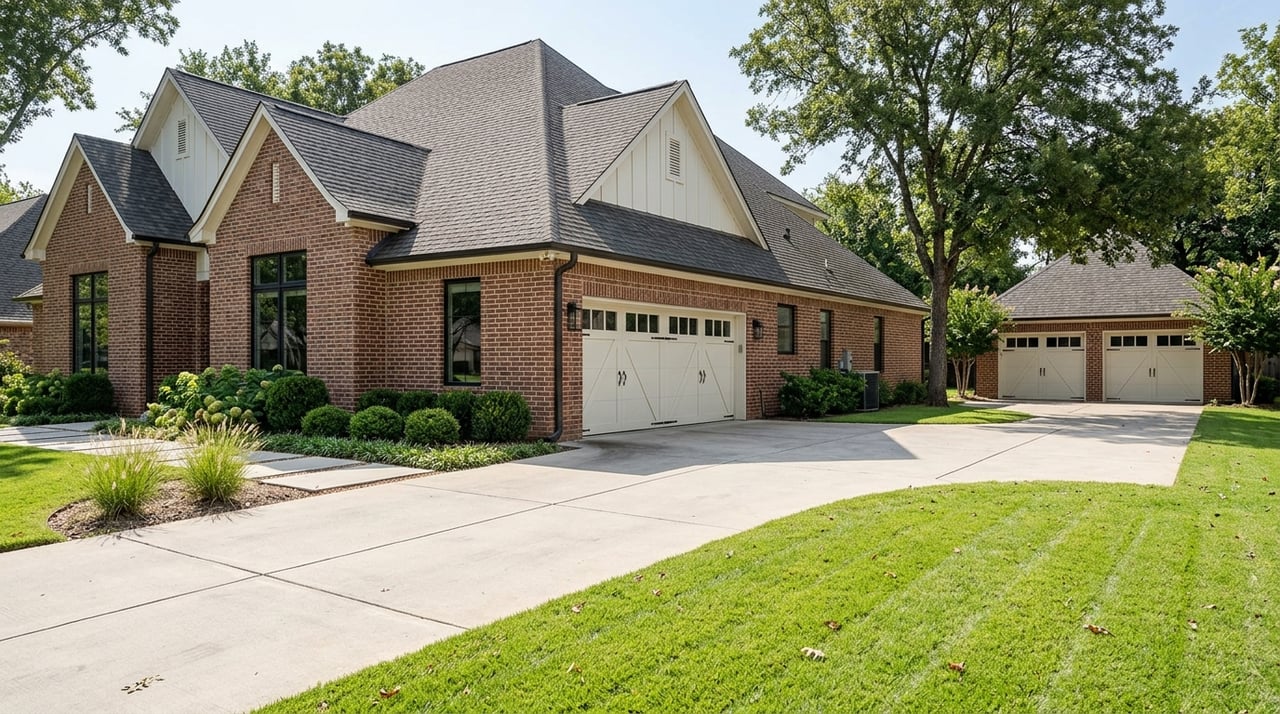
One of the biggest draws of Greenbrier is that it does not force you to choose between suburban convenience and rural breathing room. The city has local public services, schools, parks, and recreation, but it also has a setting that leaves room for larger lots and a quieter pace. That mix is a big reason buyers are drawn here.
If you are coming from a denser area, Greenbrier may feel more spread out in a good way. If you are moving from farther out in the county, it may feel more connected and convenient. In either case, the appeal often comes down to having more space while staying close to what you need.
Close To Conway, But Not In It
Greenbrier sits about 12 miles north of Conway on Highway 65. That makes regular trips to Conway practical for shopping, dining, work, and other services many households use often. For buyers who want some separation from a larger city without losing access to it, that location matters.
This nearby connection helps Greenbrier function as its own community while still benefiting from Conway’s larger hub of activity. You can enjoy a quieter home base and still keep your routine flexible. For many people, that is exactly the sweet spot.
What Daily Life Looks Like
Daily life in Greenbrier is shaped by practical local services and community spaces rather than a dense commercial core. The city lists police, a volunteer fire department, water, sewer, streets, sanitation, and planning and zoning among its main functions. The police department has 10 full-time officers, and the fire department is volunteer.
For buyers, that often translates into a smaller-city feel with established local infrastructure. You are not looking at a place with no civic framework in place. Instead, Greenbrier offers a level of day-to-day support that helps the community feel stable and livable.
Parks And Community Spaces
Matthews Park is one of the clearest examples of how Greenbrier creates gathering space for residents. The park includes a barrier-free playground, skate park, stocked pond with accessible fishing piers, splash pad, pavilion, and walking trails. A University of Central Arkansas community-development article described Matthews Park as a 55-acre project designed to serve as a central gathering place.
That matters because Greenbrier does not have a traditional downtown center. In many ways, places like Matthews Park help fill that role by giving people a common place to spend time, get outside, and connect with others. If you value easy access to casual recreation, this is a meaningful part of the city’s appeal.
Indoor Recreation Options
Greenbrier also offers recreation that works year-round. The Melton Cotton City Event Center includes an indoor walking track, fitness room, basketball, volleyball, pickleball courts, and a community room. That gives residents another option for staying active and involved close to home.
For homebuyers, nearby amenities like this can shape everyday quality of life more than people expect. It is not just about weekend plans. It is about having convenient places to go during the normal rhythm of the week.
Schools Are A Major Part Of The City
Greenbrier Public Schools is one of the city’s biggest day-to-day anchors. The district includes Greenbrier High School, Greenbrier Junior High, Greenbrier Middle School, and four elementary schools: Eastside, Springhill, Westside, and Wooster. The district also lists preschool and other programs.
For many households, this means schools are a visible and central part of community life. Even if school attendance is not part of your own housing decision, the presence of a large local district often shapes traffic patterns, routines, events, and the overall feel of a city. In Greenbrier, schools are clearly one of the main pillars of the community.
Outdoor Access Is Part Of The Lifestyle
If outdoor recreation matters to you, Greenbrier has a strong advantage for a city its size. Woolly Hollow State Park is located in Greenbrier and offers access to Lake Bennett for fishing, boating, swimming, kayaking, and hiking. The park also includes the Enders Fault Mountain Bike Trail, a 9.2-mile trail for mountain biking and hiking.
That kind of outdoor access can make a real difference in how a place feels to live in. Instead of planning a long drive to find a lake or trail, you have major recreation opportunities close by. For buyers who want nature to be part of normal life, not just an occasional outing, Greenbrier checks an important box.
In-Town Fishing Access
Greenbrier also offers a more local version of outdoor recreation through Matthews Park Pond. The Arkansas Game and Fish Commission includes it in the Family and Community Fishing Program, which stocks fishing opportunities in communities across the state. That gives residents a simple, close-to-home option for getting outside.
This may sound like a small detail, but it reflects the broader character of Greenbrier. The city offers practical, approachable amenities that fit everyday life. You do not have to leave town to enjoy a simple afternoon outdoors.
What Housing In Greenbrier Often Looks Like
Greenbrier’s housing profile points to a mostly owner-occupied, single-family market. Census QuickFacts reports an owner-occupied housing unit rate of 67.8%, a median owner-occupied home value of $206,600, and a median gross rent of $1,192 based on 2020 to 2024 estimates. Those numbers do not define every listing, but they help set a useful baseline.
In practical terms, buyers often find a mix of in-town homes and properties with more land. Current listing patterns show examples ranging from about 0.2-acre in-town homes to large tracts over 100 acres, with many homes landing somewhere between one-third of an acre and several acres. That variety supports Greenbrier’s town-and-country identity.
Options For Different Space Needs
If you want a newer subdivision home, Greenbrier appears to offer that. If you want acreage, room for a garden, or extra outdoor flexibility, the market also appears to support those goals. Some current acreage listings mention barns, fenced areas, or room for animals, which adds to the country-living appeal.
This range is one reason Greenbrier works for more than one type of buyer. First-time buyers, move-up households, and buyers looking for land may all find options worth considering. The key is knowing how to compare in-town convenience with the maintenance, privacy, and lifestyle tradeoffs that can come with more acreage.
Who Greenbrier May Fit Best
Greenbrier can make sense for buyers who want a quieter setting without feeling isolated. It may be especially appealing if you want more lot options, access to parks and outdoor recreation, and practical proximity to Conway. The city’s growth also suggests that more buyers are seeing value in that balance.
It can also fit sellers whose homes offer the blend many buyers are actively seeking right now. Homes with usable outdoor space, flexible layouts, or easy access to local amenities may stand out to people searching for that middle ground between town and country. Understanding how buyers see Greenbrier is often the first step to pricing and marketing a home well.
Why Local Guidance Matters Here
Greenbrier is not a one-size-fits-all market. One property may feel close to schools and city amenities, while another may lean more toward land, privacy, and a rural setup. Even within the same city, your experience can vary depending on lot size, road access, nearby recreation, and how often you plan to drive into Conway.
That is where local guidance becomes valuable. If you are comparing home styles, acreage, or resale potential in Greenbrier, it helps to work with a team that understands both Conway and the wider Faulkner County market in practical terms.
If you are thinking about buying or selling in Greenbrier, The Henleys can help you make sense of your options with straightforward advice, local knowledge, and a low-pressure approach.
FAQs
How far is Greenbrier, Arkansas from Conway?
- Greenbrier is about 12 miles north of Conway on Highway 65, which makes regular trips to Conway practical for many residents.
Does Greenbrier, Arkansas feel suburban or rural?
- Greenbrier feels like a mix of both, with subdivisions, schools, and city amenities alongside acreage properties, outdoor recreation, and a more spread-out layout.
What parks and recreation are available in Greenbrier, Arkansas?
- Greenbrier offers Matthews Park, the Melton Cotton City Event Center, Matthews Park Pond, and Woolly Hollow State Park with lake access, hiking, biking, boating, fishing, kayaking, and swimming.
What is the housing market like in Greenbrier, Arkansas?
- Greenbrier’s housing profile suggests a mostly owner-occupied, single-family market with options that range from smaller in-town lots to multi-acre properties.
Is Greenbrier, Arkansas a growing community?
- Yes. Census figures show Greenbrier had 5,707 residents in 2020 and an estimated 6,330 residents as of July 1, 2024.
What schools are in Greenbrier, Arkansas?
- Greenbrier Public Schools includes Greenbrier High School, Greenbrier Junior High, Greenbrier Middle School, and the Eastside, Springhill, Westside, and Wooster elementary schools, along with preschool and other programs.