By August 2026, the median list price for a home in Mayflower had dropped to $242,000, down 9 percent from a year earlier and down another 10 percent from July alone. Days on market held at 67, a number that barely moved across the whole summer. Anyone skimming those numbers would call Mayflower's market soft.
At the same time, Zillow's home value index for the 72106 zip code showed the average home worth $222,407, up 4.6 percent over the same twelve months. That's not a soft market. That's a market where the typical home is worth more than it was a year ago.
Both numbers are accurate. They're also describing two different Mayflowers.
Three Prices, Three Populations
The median list price tracks whatever happens to be actively for sale on a given day. The Zillow value index estimates what the full stock of existing homes is worth, whether or not it's currently listed. A third number, pulled from active MLS listings and updated in mid-September 2026, put the average listing price in Mayflower at $344,480 across 96 properties, with an average size of 2,253 square feet, almost identical to the Faulkner County average of 2,259.
Three ways to describe "the price of a home in Mayflower," three different answers, and none of them wrong. The gap between them is the story. A median list price near $242,000 and an average listing price above $344,000 are different measures; the figures alone don't establish why they differ.
The Vineyard and the Low End of the Market
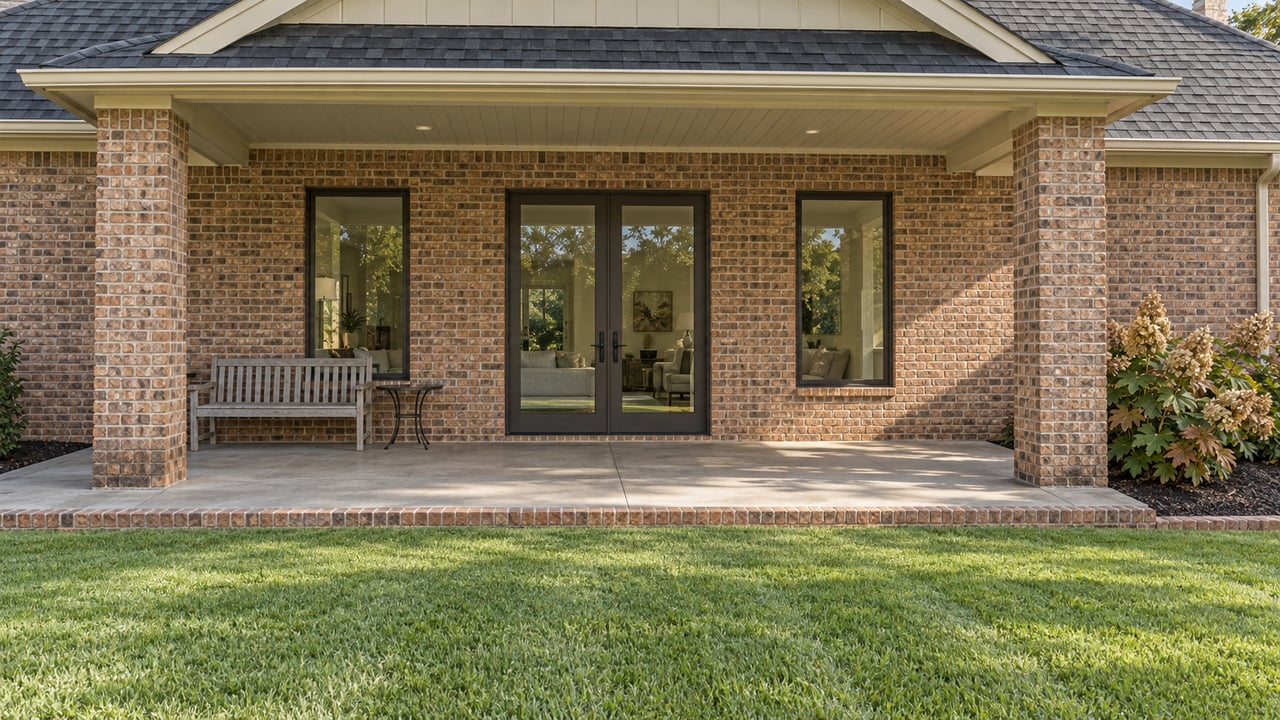
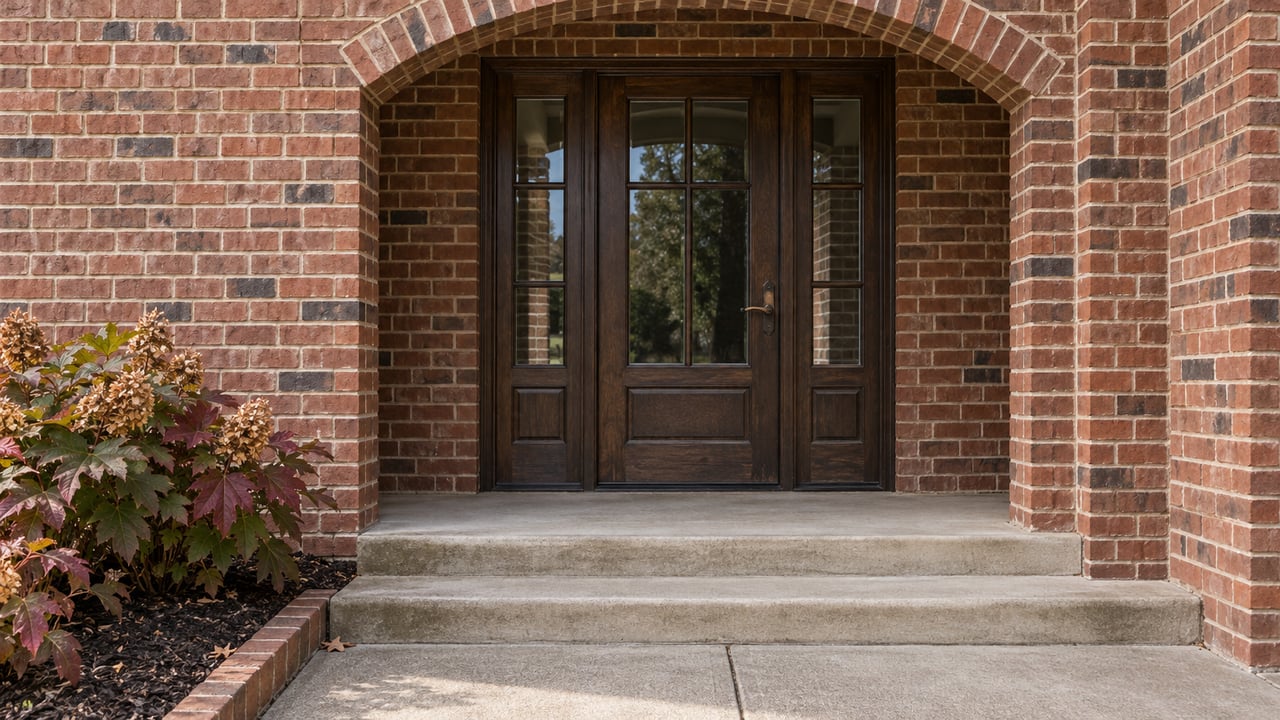
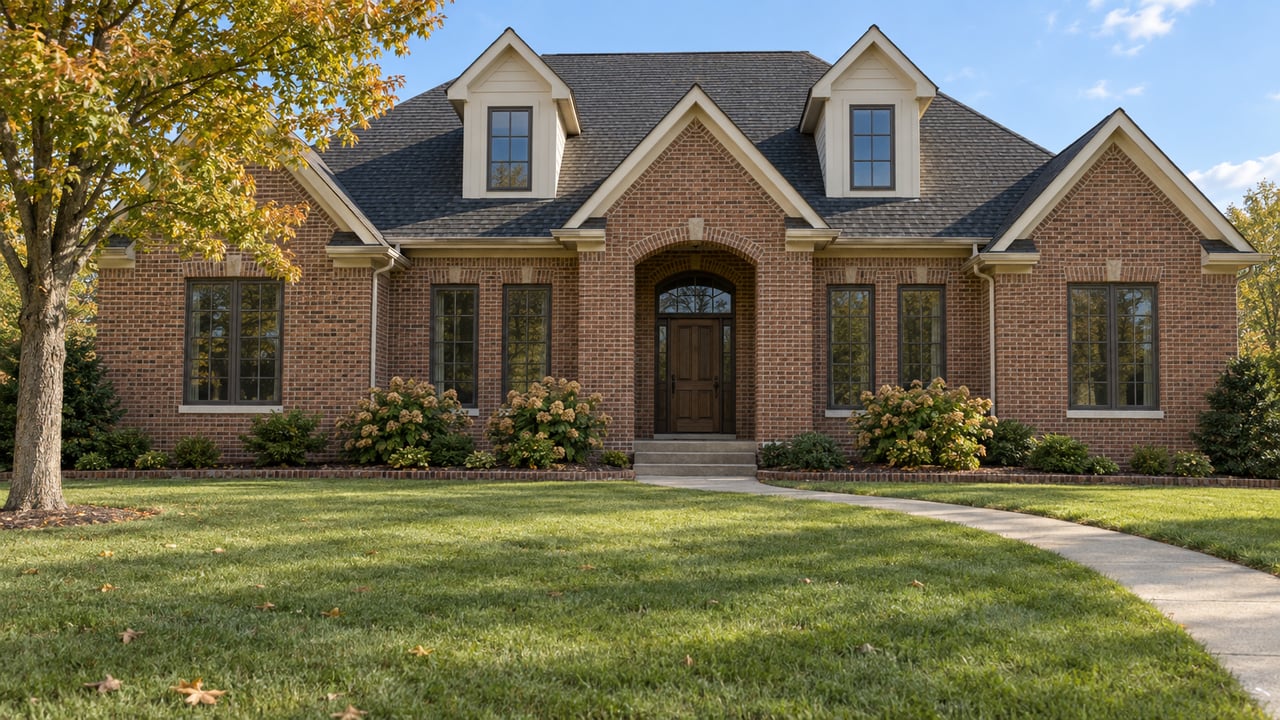
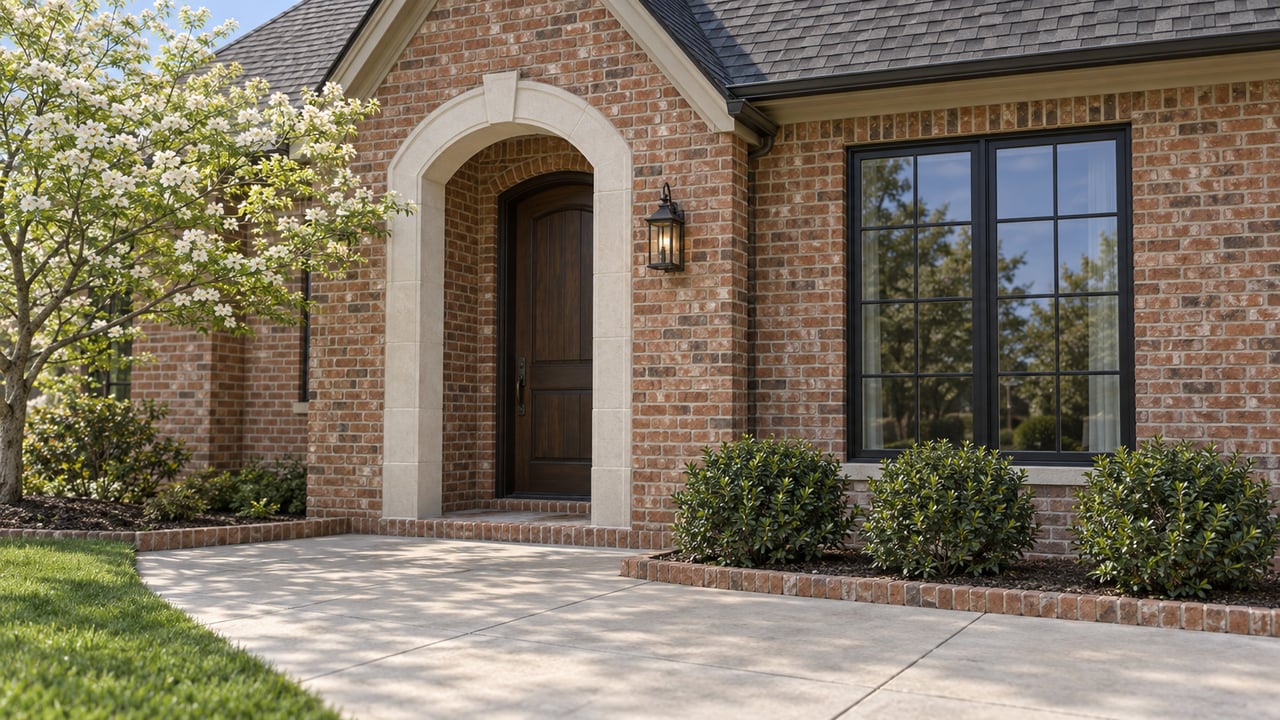
D.R. Horton has been building out The Vineyard, a production subdivision off Highway 365, in phases. Phase II is under construction now. The floor plans run from 1,473 to 1,897 square feet, all one story, three to four bedrooms, two baths, two-car garages, brick exteriors with quartz counters and stainless appliances. Listed prices in the community have run from $219,900 for a 1,569-square-foot plan up toward the $320,000s for larger layouts, with D.R. Horton's in-house lender, DHIM, offering closing cost credits and rate discounts on top of the sticker price.
The Vineyard's listed homes include prices at the low end of the market. Their effect on the citywide median depends on the mix of listings; a lower median list price alone doesn't show whether the rest of the housing stock is losing value.
There's a friction point worth flagging for anyone shopping in the Vineyard specifically. At least one recent Phase II listing showed HOA and POA dues as "not yet determined," with the number on the listing marked as an estimate. New-phase production communities sometimes list before the homeowners association budget is finalized, so a buyer comparing monthly costs between a Vineyard home and an older resale needs to confirm the actual dues figure before treating any number on the listing sheet as final.
What's Anchoring the High End
The active listings include properties beyond the standard production-home market, including acreage and waterfront. River Plantation, now into its later phases with Phase VII platted, has listed lots requiring a minimum 1,750-square-foot custom build, marketed around hunting and fishing access between Little Rock and Conway. Stone Hill Ranch has offered gated, view-oriented lots with city water already run to the property line, priced for buyers building rather than buying finished square footage.
These aren't competing directly with The Vineyard's production homes. A buyer choosing between a $226,900 new-construction house on a small lot and a custom build on acreage in Stone Hill Ranch is answering a completely different question about what they want from a home. But both show up in the same "average listing price in Mayflower" calculation, alongside other properties in the active listings.
Infrastructure Funding
Sewer capacity is part of the infrastructure context for development. In November 2025, Arkansas approved roughly $154 million across 59 water and wastewater infrastructure projects statewide, funded through the Clean Water and Drinking Water State Revolving Funds along with other state and federal sources. Mayflower secured $11.54 million of that package for a regionalization project with Conway Corporation, according to Engineering News-Record's coverage of the award.
That kind of funding doesn't show up in a listing description. The regionalization award is one part of the infrastructure picture; the figures here do not establish whether it will affect phases like Vineyard II. For a buyer or investor trying to gauge whether Mayflower's production-home pipeline is a short-term surge or a sustained pattern, the project is one piece of context alongside any single quarter's sales pace.
Reading the Numbers Correctly
If you're comparing Mayflower to another Faulkner County town using a single headline price, you're comparing an average listing price drawn from listings that include acreage lots with a median list price in a market where one builder has entry-level listings. Neither number tells you what a specific three-bedroom brick home on a standard lot is actually worth right now.
A few questions worth asking before treating any single number as gospel:
- Is this comp set pulling from active listings, closed sales, or an automated value estimate, and over what window?
- Does it include acreage and waterfront properties, or standard subdivision lots only?
- If it's new construction, are HOA or POA dues confirmed or still listed as an estimate?
- Has the builder's incentive structure, like a closing cost credit or a rate buydown, been factored into the effective price, or just the sticker price?
Mayflower's zoning also separates these tiers more than a casual read of the map would suggest. The city's residential categories, R-1SB, R2, and R1MH, govern what can be built where, and the Heart of Mayflower overlay district adds its own rules on top of that for the historic core. A production subdivision like The Vineyard sits under standard single-family zoning built for volume. Acreage communities like River Plantation are platted for custom builds on larger lots. The city has also had a Unified Development Ordinance under public review since late 2025, which could eventually reshape how these categories interact, though that process hadn't concluded as of this writing.
None of this means Mayflower is cheap or expensive. It means the answer depends on which slice of the market you're standing in, and a single median or average won't tell you that.
If you're trying to figure out what a specific Mayflower property is actually worth against this kind of split market, rather than what a citywide average implies, that's a conversation worth having before you price a listing or make an offer. Richard Henley and the team can walk through the comps that actually apply to your home, not the ones an average happens to include.
This article is general information, not legal, tax or financial advice. Consult a qualified professional about your situation.