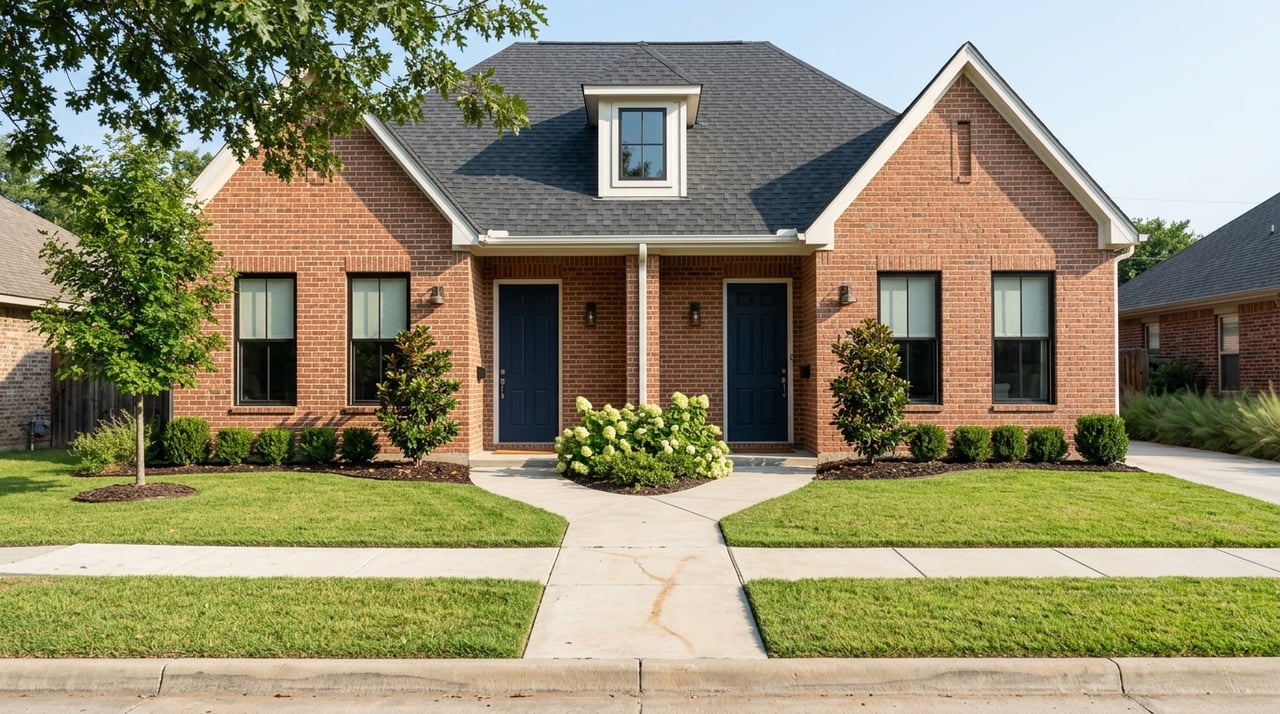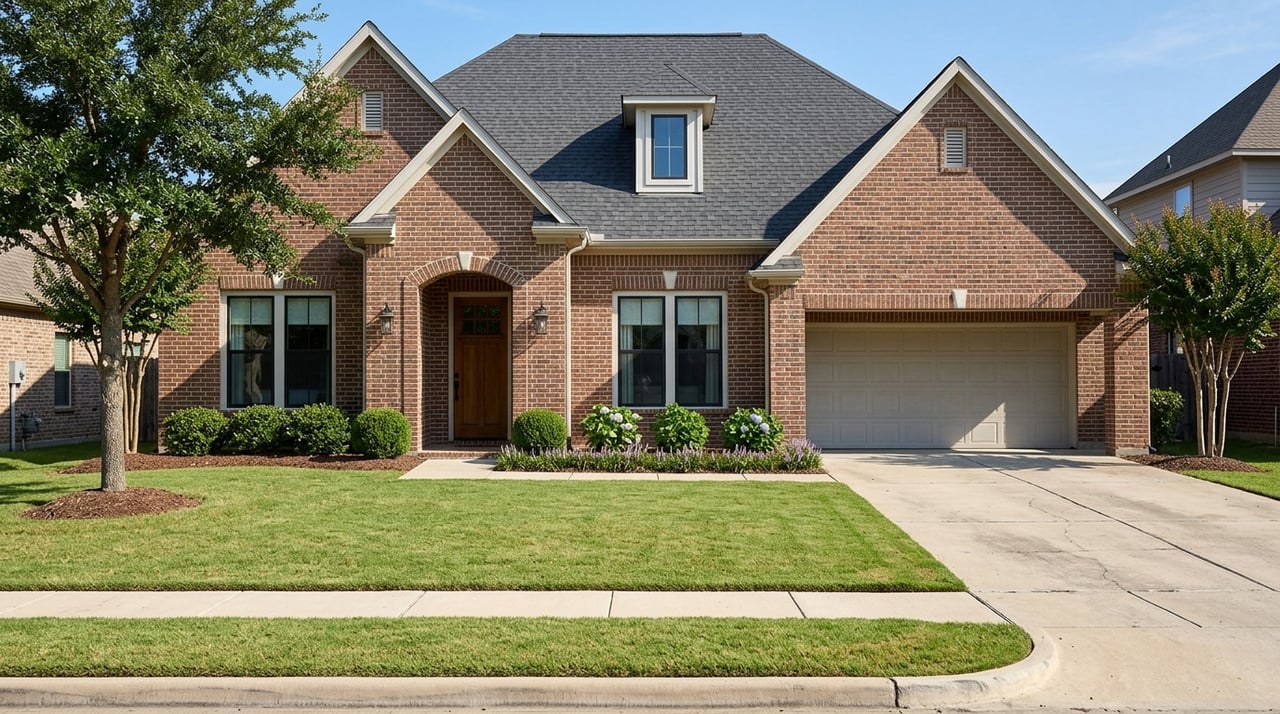
If you are wondering whether Conway feels more like a quiet college town or a growing city with everyday convenience, the answer is a little of both. For many buyers and movers, that balance is exactly what makes Conway appealing. You get a city that is growing, active, and easy to navigate, with enough local identity to make daily life feel grounded. Let’s take a closer look at what everyday life in Conway, Arkansas, really looks like.
Conway at a Glance
Conway has been growing quickly in recent years. Census QuickFacts estimates the city’s 2024 population at 70,711, which is up 10.2% from 2020.
That growth shows up in the pace of the city. Conway does not feel like a sleepy small town, but it also does not come with the constant rush of a much larger metro. For many people, that means you can enjoy a steady, practical routine without feeling disconnected from shopping, dining, recreation, or regional access.
The city also has a relatively young feel. Census data shows 20.3% of residents are under 18, and the average household size is 2.31.
Conway’s identity is also shaped by higher education. According to the Conway Area Chamber, the city grew around Central Baptist College, Hendrix College, and the University of Central Arkansas, which helps explain the college-town energy that is still part of local life today.
Getting Around Conway
For most residents, daily transportation in Conway starts with driving. The city’s Transportation Department maintains about 365 miles of local roadways and roughly 60 traffic signals, which gives you a sense of the city’s scale and infrastructure.
If you commute, the average travel time to work is 22.8 minutes, according to Census QuickFacts. That can be a helpful benchmark if you are comparing Conway to other Central Arkansas locations.
Key Roads You Will Use Often
Some roads play a bigger role in daily life than others. The city describes Highway 65B, also known as Dave Ward Drive, as the most direct regional connection between Conway and Interstate 40.
Oak Street is another major part of the local routine. The city identifies it as one of Conway’s main commercial corridors and an important link to downtown, so it often becomes part of errands, dining, shopping, and everyday travel.
Local Transit and Non-Driving Options
If you prefer not to drive for every trip, Conway does offer another option. METRO Connect Conway provides on-demand, point-to-point shared rides within the city Monday through Saturday from 6 a.m. to 8 p.m.
The Conway zone currently uses a $2 one-ride fare, paid by exact cash or virtually. The city does not currently have a fixed-route bus option, so this service is the main public transit choice inside Conway.
Trails and Bike-Friendly Travel
Conway also supports shorter local trips and active transportation. The city has Silver-level Bicycle Friendly Community status, and its trail system adds another layer to everyday mobility.
Two well-known examples are the 3.1-mile Kinley Trail and the Stone Dam Creek Trail. Even if you are not biking to work, these spaces can become part of your morning walk, evening jog, or weekend routine.
Parks and Outdoor Routine
One of the biggest strengths of daily life in Conway is how easy it is to stay active outdoors. The city has invested heavily in parks, trails, and public spaces, and that shows in the variety of options residents can actually use on a regular basis.
This matters because everyday livability is often shaped by what you can do after work, on Saturdays, or with visiting friends and family. In Conway, outdoor recreation is not just a once-in-a-while feature. It is built into the rhythm of the city.
Beaverfork Lake Park
Beaverfork Lake Park gives you a wide mix of activities in one place. The park includes a swim beach, boat ramps, a fishing pier, and a disc golf course.
That kind of setup makes it useful for more than one type of weekend. You might go there for a quiet afternoon by the water, a casual family outing, or a more active day outside.
Cadron Settlement Park
Cadron Settlement Park brings a different kind of outdoor experience. This 150-acre historic river park includes hiking trails and access to the Arkansas River.
For residents who want a little more natural space in their weekly routine, this park adds variety beyond neighborhood green space and sports-focused amenities.
Conway Community Center
If you want indoor recreation as part of daily life, the Conway Community Center is another major asset. The facility includes an aquatic park, natatorium, gym, and fitness center.
That gives you a year-round option for exercise, swimming, and general recreation, which can be especially valuable when weather changes your usual plans.
Downtown, Shopping, and Dining
Conway’s commercial pattern gives the city a practical feel without making it feel generic. Retail and dining are concentrated around Historic Downtown Conway and the Oak Street corridor, which creates a mix of everyday convenience and a distinct local center.
In simple terms, Conway does not read like a one-strip town. You have recognizable commercial areas for errands and routine shopping, but you also have a downtown identity that gives the city more character.
Historic Downtown Conway
Historic Downtown Conway plays an important role in local life. Rogers Plaza serves as a signature gateway to downtown, helping define the area as more than just another business district.
That downtown presence matters because it gives residents a natural place to connect with local events, restaurants, and the overall civic rhythm of the city.
Oak Street Corridor
Oak Street is one of the city’s main commercial corridors and home to many businesses, including Conway Commons. The corridor west of Interstate 40 is also described by the city as an important link to downtown.
For day-to-day life, that usually means errands are straightforward. Whether you are heading out for shopping, dining, or basic services, much of what you need is concentrated in places that are already built into the city’s main travel routes.
Community Events and Local Rhythm
A city’s personality often comes through in its events, and Conway has a noticeable community rhythm. The Parks Department notes that its work supports recreation, tourism, and local business, which helps explain why public spaces and events feel closely tied to the city’s identity.
The Conway Area Chamber says the city is not a traditional tourist destination, but it is a destination for business events and youth sports. That gives Conway a steady flow of activity that can make weekends and certain parts of the year feel especially lively.
One of the best-known annual events is Toad Suck Daze, which brings a major downtown event into the spring season. Even if you are new to the area, events like that can help you get a feel for how Conway gathers and celebrates.
What Housing Feels Like in Conway
If you are considering a move, daily life also depends on the kind of housing mix you will find. In Conway, detached single-family homes remain the dominant housing type, but the city also has apartments, smaller multifamily buildings, and other rental options.
According to the city’s draft 2026 Consolidated Plan, based on 2018 to 2022 CHAS data, 57% of residential properties were one-unit detached. Another 21% were in 5 to 19 unit buildings, 10% were in 2 to 4 unit buildings, 5% were in 20+ unit buildings, and 5% were mobile homes.
Because those housing-stock figures come from a draft city plan using older CHAS data, it is best to treat them as directional. Even so, they support a clear takeaway: Conway offers more than one housing style, even though single-family neighborhoods still shape much of the market.
Owner and Renter Snapshot
Census QuickFacts adds more context to the housing picture. The owner-occupancy rate is 45.4%, the median owner value is $252,100, and median gross rent is $1,011.
That mix reflects a city with both ownership opportunities and a meaningful rental presence. For buyers, sellers, and investors, that usually points to a market influenced by several types of households and living arrangements, not just one.
Growth and Affordability
The city’s analysis also notes that current development patterns still favor subdivisions and that affordability remains a growing need. That is helpful context if you are trying to understand how Conway is changing.
In practical terms, you can expect a market where growth is active, single-family homes remain a major part of the landscape, and housing conversations increasingly include value, options, and long-term planning.
Is Conway a Good Fit for Your Lifestyle?
Conway tends to work well for people who want a city that feels active but still manageable. You have a growing population, a recognizable downtown, established commercial corridors, local trails, parks, and access to regional travel routes.
You also get a place with a college-town influence, a young overall feel, and a day-to-day pace that many people find approachable. If you are looking for a location in Central Arkansas where errands, recreation, and community life can all fit into a normal week, Conway offers a strong balance.
Whether you are buying your first home, planning your next move, or looking at property with long-term goals in mind, understanding everyday life matters just as much as square footage or price point. If you want help making sense of Conway and the surrounding market, The Henleys are here to give you honest, local guidance every step of the way.
FAQs
What is everyday traffic like in Conway, Arkansas?
- For most residents, daily travel is car-based, and Census QuickFacts reports an average commute time of 22.8 minutes. Major routes like Dave Ward Drive and Oak Street play a big role in getting around the city.
What outdoor activities are available in Conway, Arkansas?
- Conway offers parks, trails, and recreation spaces including Beaverfork Lake Park, Cadron Settlement Park, the Kinley Trail, the Stone Dam Creek Trail, and the Conway Community Center.
What kind of housing is common in Conway, Arkansas?
- Detached single-family homes are the most common housing type in Conway, but the city also includes apartments, smaller multifamily buildings, and other rental options.
Does Conway, Arkansas, have a downtown area?
- Yes. Historic Downtown Conway is a key part of the city’s identity, and Rogers Plaza serves as a gateway into that downtown area.
Is Conway, Arkansas, easy to get around without a car?
- Conway offers METRO Connect Conway, an on-demand shared-ride service that operates Monday through Saturday, but the city currently does not have a fixed-route bus system.
What makes Conway, Arkansas, feel unique day to day?
- Conway blends fast growth, college-town energy, outdoor recreation, downtown character, and practical shopping and dining corridors, giving it a lifestyle that feels both active and manageable.