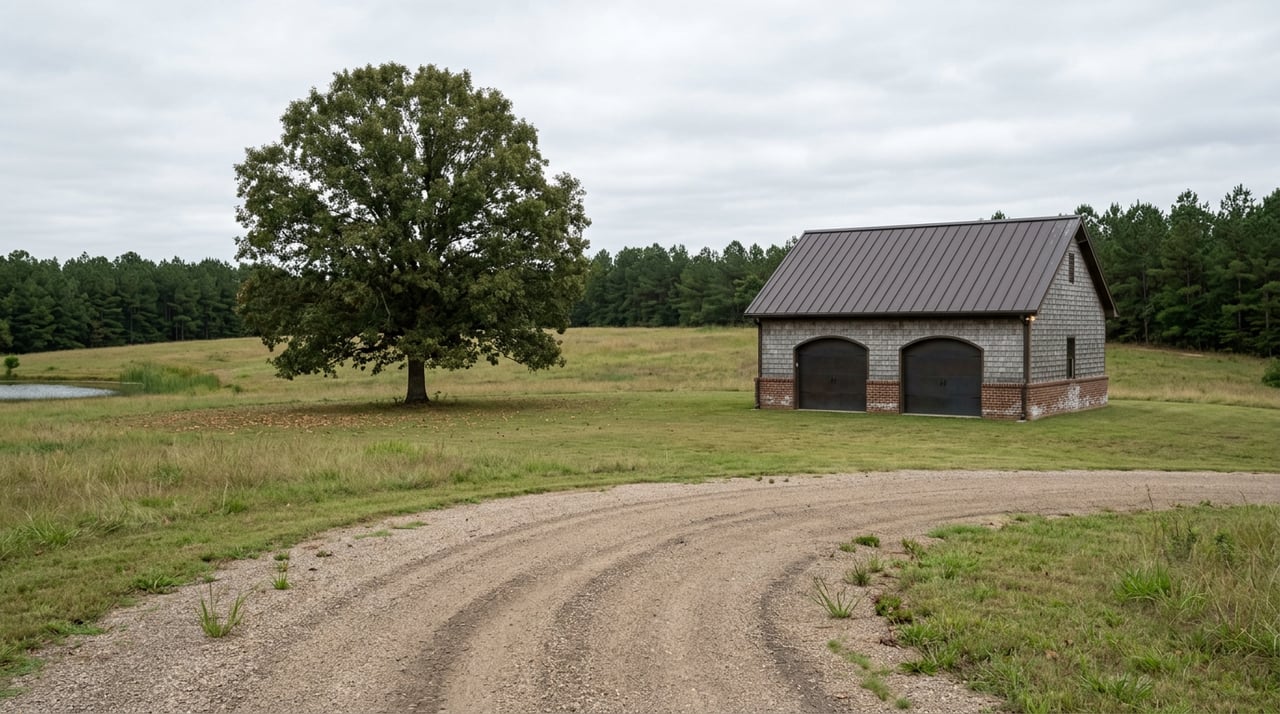
A buyer finds a nice acreage tract just outside Greenbrier's city limits. The price is right, the trees are good, and the seller mentions almost in passing that a perc test was already done years back, when an earlier owner had bigger building plans that never came together. The buyer hears "already done" and checks it off the worry list.
Then due diligence starts, and two things surface that the listing sheet never mentioned. The lot has been graded since that old test. And because the tract runs past ten acres, no county sanitarian ever reviewed a septic design for it in the first place. The number that actually decides whether this deal closes on schedule was never the acreage total or the price per acre. It was buried in a soil report nobody asked to see until it mattered.
What a Perc Test Actually Decides
Any home in Faulkner County that isn't tied into city sewer needs an Individual Sewage Disposal System permit from the Arkansas Department of Health, and getting one starts with a site evaluation that includes a percolation test and a soil morphology assessment. Permit fees vary by county but typically land somewhere between $150 and $350. Hiring a professional to run the actual test is a separate cost, and as of 2026 it runs higher, commonly $750 to $1,900 for a standard job, climbing toward $3,000 for larger sites that need multiple holes dug by machine rather than by hand.
That's not a rounding error on a land purchase. On a raw lot in the price range common around Greenbrier's outer corridors, a failed or missing perc test doesn't just add a line item. It can push a build timeline out by weeks while an engineer designs an alternative system, and it can add thousands to a budget that was set before anyone knew the soil wouldn't cooperate.
The Ten-Acre Loophole That Isn't Actually a Shortcut
Arkansas law carves out an exemption worth knowing before you fall in love with a big tract. A single residence built on ten acres or more doesn't need a septic permit at all, as long as every part of the sewage system stays more than 200 feet from any property line, including roads.
That sounds like a shortcut. It isn't one.
The exemption only waives the requirement to get a permit. It doesn't waive the requirement that the sewage system actually work.
A handful of acreage tracts currently marketed around Greenbrier clear that ten-acre line by a wide margin, including parcels running 16, 40, even 120 acres, pitched as hunting ground, cleared building sites, or wide-open development opportunity. The space is genuinely appealing. But it also means that on a five-acre lot inside a platted subdivision, a county sanitarian reviews the septic design before anyone breaks ground. On a qualifying ten-plus-acre tract, that independent review simply doesn't happen unless the buyer chooses to pay for one anyway. Fewer permits does not mean less risk. It means the risk moved from the county's desk to yours.
A Perc Test Doesn't Expire on a Calendar. It Expires When the Dirt Moves.
Unlike a home inspection, a perc test doesn't come with a printed expiration date. Arkansas guidance treats results as usable as long as soil conditions on the property haven't changed. But if the land has been graded, excavated, or had fill brought in since the original test, a new one is often required before septic approval can move forward.
That detail matters most on exactly the kind of lot that photographs well. Several parcels around Greenbrier lean on phrases like "all major dirt work has been completed" or "build-ready," describing land that's been cleared for a buyer's convenience. That's a real selling point for anyone trying to start construction quickly. It's also a description of land that has been physically disturbed since whatever soil work was done earlier. If a seller points to a perc test from a few years back and the same listing also references recent grading, those two facts are in tension, and the buyer is usually the one who discovers which one wins, after the contract is signed rather than before.
Greenbrier's Market Actually Splits Along This Line, Not Along Price
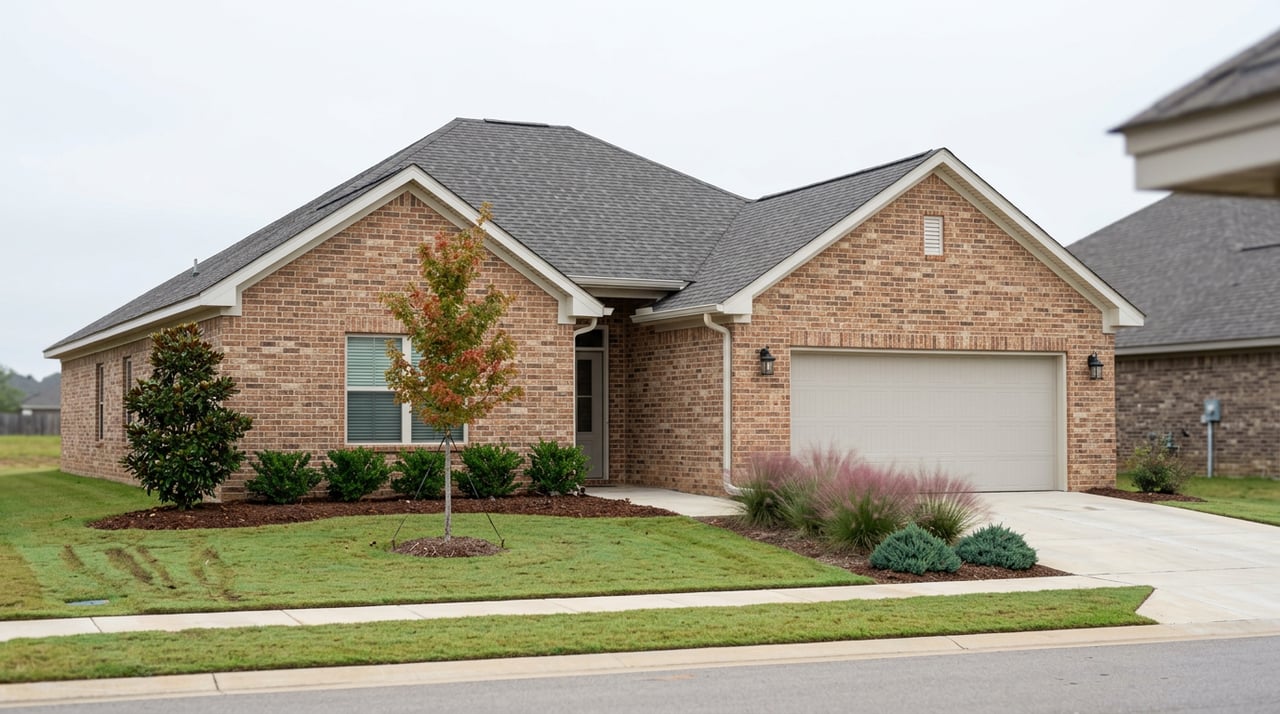
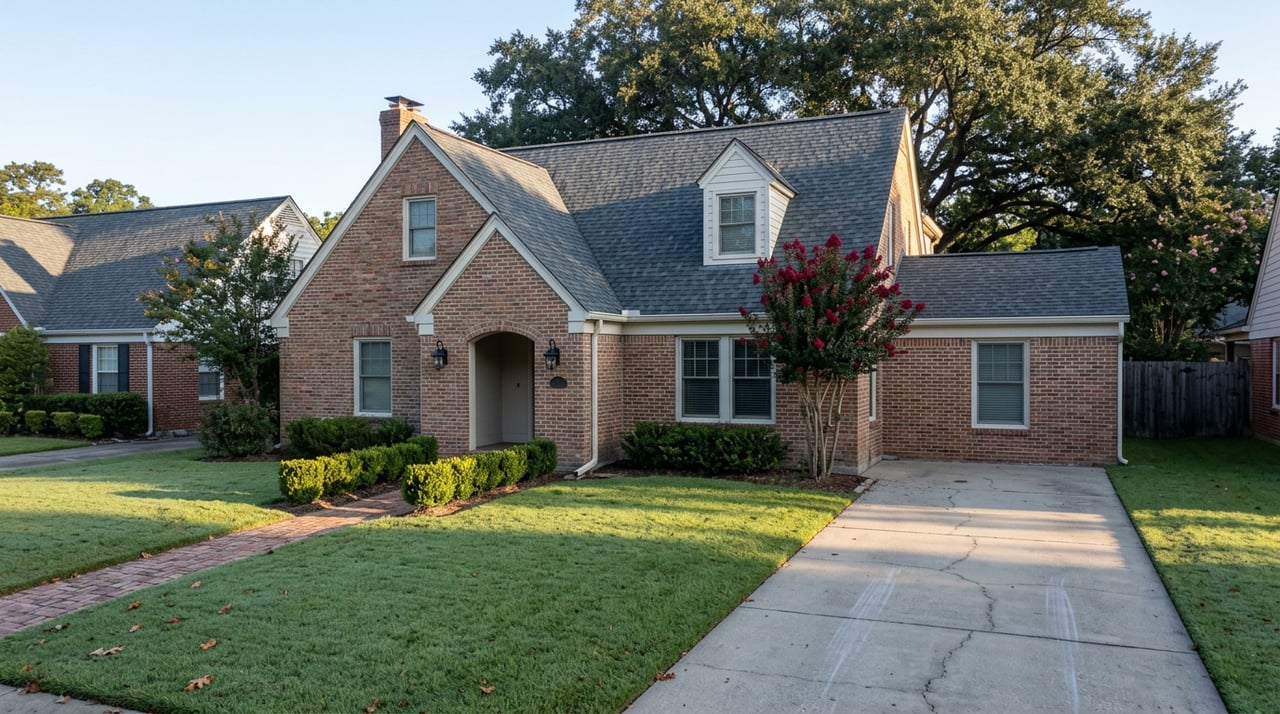
Builders active around Greenbrier right now, including Bison Homes, Triple E Custom Homes, Millco Enterprises, and Jim Atkinson, are putting up new homes in subdivisions like East Meadow, Highland Hills, Lewis Cove, Reynolds Ridge, and West Pointe. Some of the newer, in-town lots east of Highway 285 are advertised with the septic question already answered. Current listings for cleared parcels there note that public water is already at the road and that the lot will tie into the Greenbrier sewer system, no perc test required before you build.
Move toward Wooster or into the acreage corridors, and the picture flips. Mill Creek Estates and Arrken Valley Estates, along with raw acreage tracts already marketed with a perc test in hand, put the septic decision on the buyer as a design choice, a budget line, and an inspection item rolled into one. Two lots at the same price point can carry completely different amounts of due diligence work depending on which side of that line they fall on, and the acreage number alone won't tell you which one you're looking at. The utility description will.
What to Ask Before You Write the Offer
A little due diligence up front replaces a lot of surprise later. Before making an offer on acreage or a septic-served lot around Greenbrier:
- Ask for the actual perc test report, not a verbal confirmation, and compare the test date against any grading or clearing that's happened since.
- Confirm whether the parcel qualifies for the ten-acre exemption. If it does, budget for your own septic design review rather than assuming a county sign-off already exists.
- Ask the seller directly whether any excavation, fill work, or major dirt work has occurred since the perc test was performed.
- Get a rough quote from a licensed septic installer before finalizing your offer price, especially on lots outside platted subdivisions.
- Get it in writing whether the parcel is served by Greenbrier's water and sewer system or will rely on well and septic. That single answer changes your entire due diligence checklist.
None of this makes acreage around Greenbrier a bad buy. It's some of the most appealing land in Faulkner County precisely because of the room it offers. It just means the detail that actually controls your closing date and your construction budget is sitting in a soil report most buyers never ask to see until something has already gone sideways.
Richard Henley has walked Faulkner County land deals through this exact conversation for more than three decades, and Will Henley brings current knowledge of the newer subdivisions going up around town. If you're weighing acreage against a platted lot in Greenbrier, or you just want a second set of eyes on a perc test before you write an offer, reach out to Richard Henley for a straight answer before you're locked into a contract.
Frequently Asked Questions
Do I still need to worry about septic if my Greenbrier lot is over ten acres? Yes. The ten-acre exemption only removes the requirement to obtain a permit from the county. It does not remove the requirement that the septic system function properly, and it means no county sanitarian will independently verify the design before you build.
How long is a perc test good for on land near Greenbrier? There's no fixed calendar expiration. Results generally remain valid as long as the soil hasn't been disturbed since testing. Grading, excavation, or fill work done after the original test can require a new one before septic approval moves forward.
What should I budget for septic permitting and testing in Faulkner County? Plan on $150 to $350 for the county permit fee, plus $750 to $1,900 for a professional perc test on a typical lot, with costs climbing toward $3,000 on larger parcels that need multiple test holes or machine excavation.