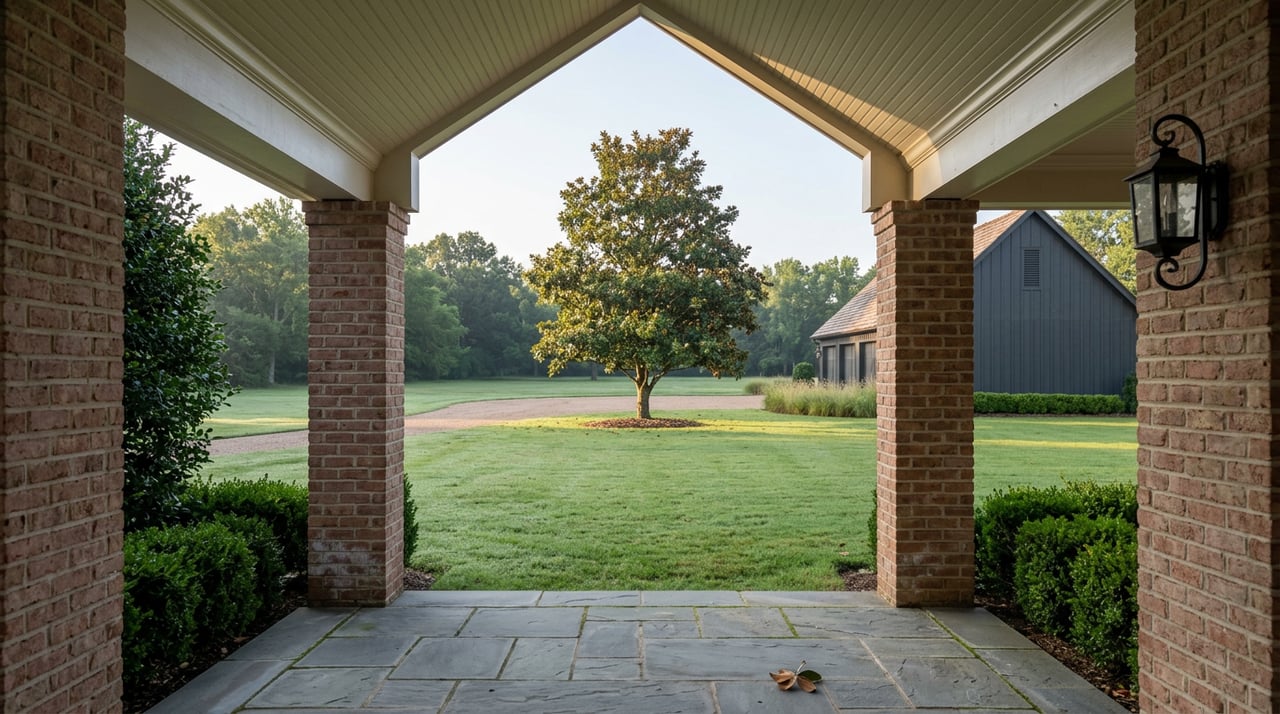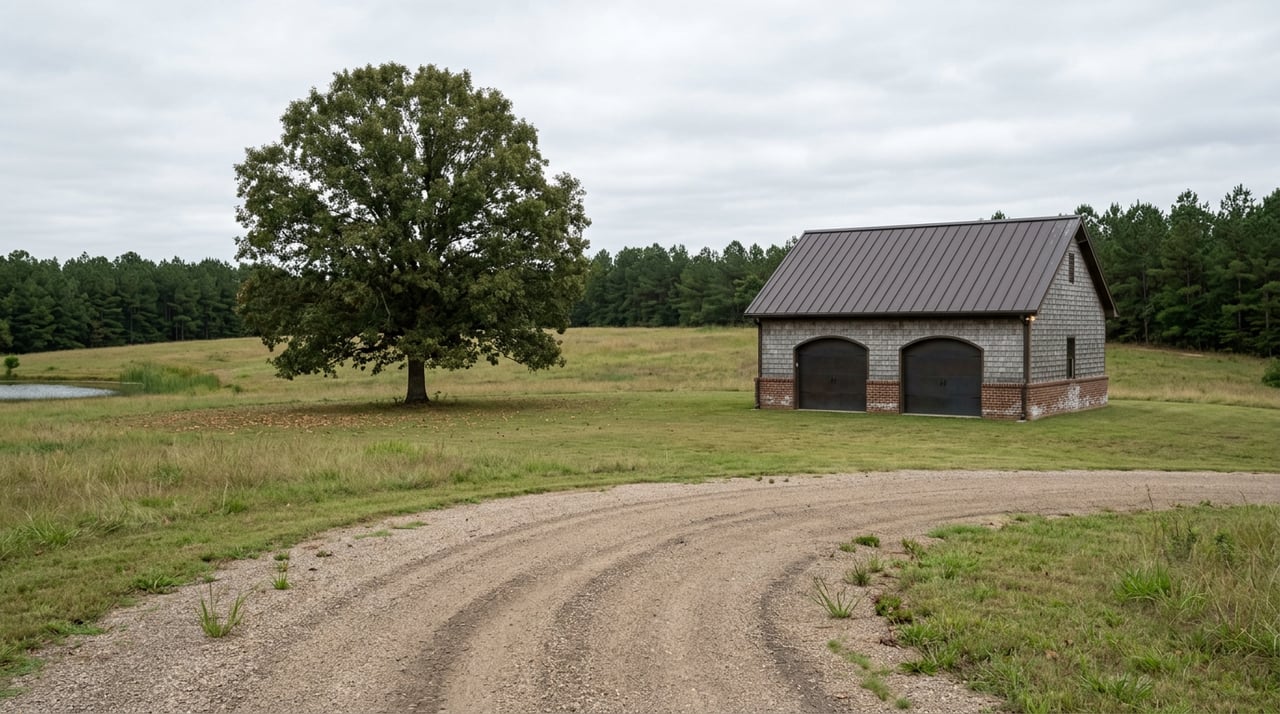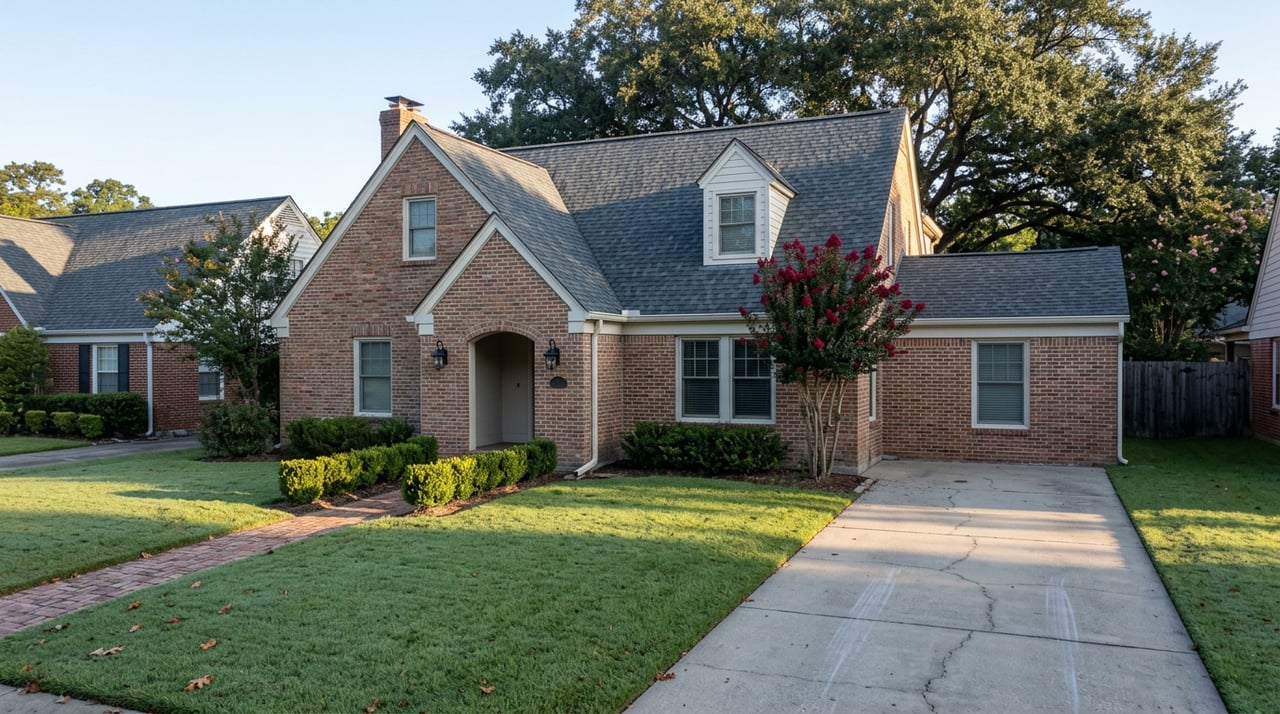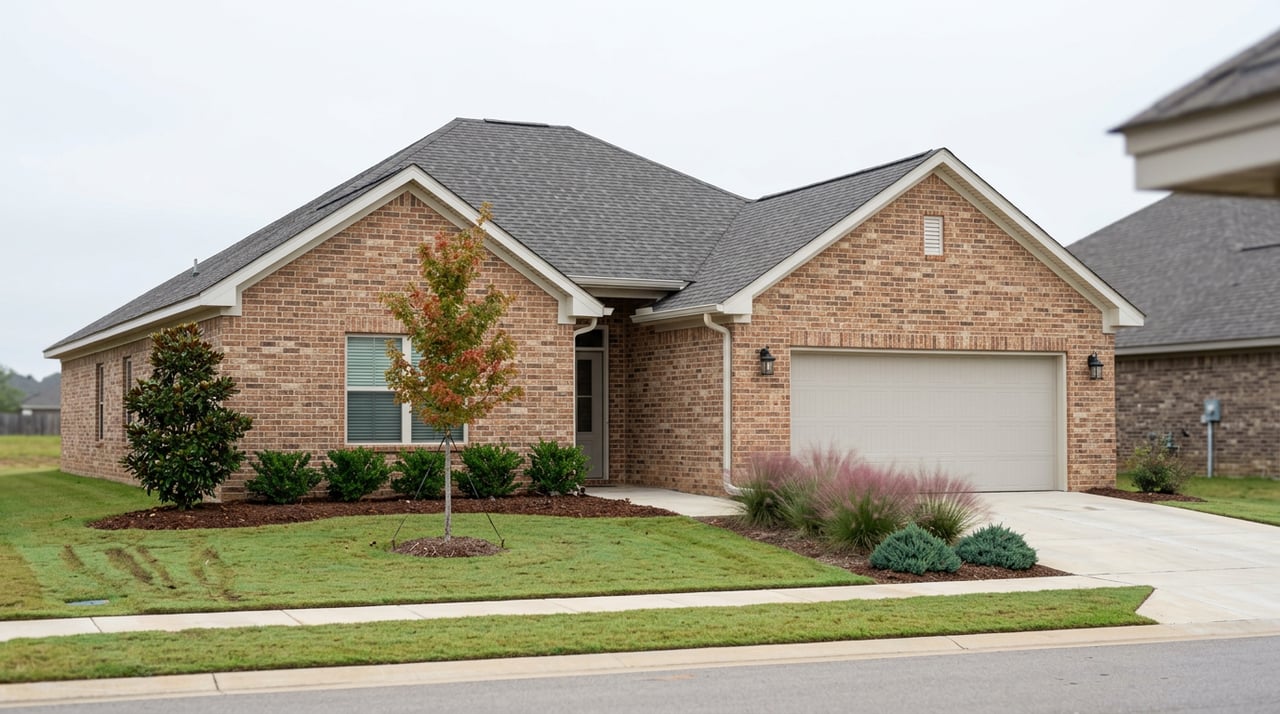
Drive two subdivisions in Greenbrier that sit less than a mile apart and you'll notice something that doesn't show up on a listing sheet. One has quarter-acre lots packed close enough that you can hear your neighbor's lawnmower. The other has a third of an acre or more between houses, room for a shop building, maybe a garden. Same school district. Similar price range. Built within a few years of each other. The difference isn't buyer taste or builder preference. It's whether the lot sits on a stretch of ground the city sewer line reached first.
That's not a guess. It's what Greenbrier's own elected officials say when you ask them directly why the town is growing where it's growing.
What the Mayor Actually Said
Greenbrier Mayor Sammy Joe Hartwick has been asked more than once to explain the town's growth, and his answer keeps coming back to pipes before it gets to anything else. In a piece for 501 LIFE Magazine, he described the pattern plainly: growth has been heaviest north and west of the city, and the reason is capacity, not demand.
"Our water system runs approximately nine miles south to north and nine miles west to east, which supplies that growth."
That's a mayor telling you the shape of his own water system is the shape of his town's growth map. Wherever the line reaches, subdivisions follow. Wherever it doesn't, they wait.
Wooster's mayor, Terry Robinson, made the same point about his town's sewer system, and he went a step further by naming the actual mechanism. A new subdivision went in across from the school specifically because the city extended sewer service there. Another is underway on Church Circle. And commercial growth is coming too, he said, because connecting to city sewer means a business doesn't have to set aside extra acreage just to accommodate a septic field.
That last detail is the whole story in one sentence. Septic systems need field lines, and field lines need land. A lot that has to hold a house, a driveway, and a functioning septic field can only get so small before the health department says no. Once city sewer reaches a parcel, that constraint disappears, and the same acre that used to hold one house on septic can suddenly hold two or three homes on smaller lots.
So when you're touring a Greenbrier subdivision and the lots feel tight, you're not looking at a builder's stylistic choice. You're looking at the far edge of a sewer extension.
Follow the Pipe, Not the Sign
If you map out where Greenbrier's new construction has actually landed, a pattern falls into place that matches exactly what the mayors described. Growth has concentrated north and west of the original city limits, where the water system has room to run, and along the corridors near Highway 65 and Highway 285, where utility crews have already done the trenching.
| What you're looking at | What's usually driving it | What it means for the lot |
|---|---|---|
| Newer subdivision on a small lot, tight setbacks | Recent city sewer extension | Smaller lot, denser layout, likely lower price per square foot of house |
| Established in-town neighborhood, older housing stock | Sewer line reached decades ago | Mixed lot sizes, more mature trees, less predictable floor plans |
| Acreage subdivision on the edge of town or toward Wooster | Still on septic, no sewer extension yet | Bigger lots by necessity, higher upfront cost per lot, room to build out |
| Corridor near Highway 65 or east of Highway 285 | Active utility buildout, ongoing subdivision activity | New construction with builder finishes, still filling in phase by phase |
None of this tracks with school zoning, because Greenbrier's growth areas largely feed the same district regardless of which side of town they're on. It tracks with where a crew ran pipe.
Why This Actually Matters When You're Comparing Two Listings
First Security Bank's Greenbrier market president, Shawn Johnston, told the same 501 LIFE piece that home affordability is a big part of what keeps pulling buyers here, and a local real estate team mentioned in the same article pointed to a noticeable jump in home loan volume as people keep moving in. That's real and it's worth knowing. But affordability on paper can hide a real tradeoff underneath it, and the tradeoff is almost always about what's under the ground, not what's on it.
Two houses priced within a few thousand dollars of each other in Greenbrier can represent very different bets. The one on the newer sewer extension might be cheaper because the lot is smaller and the subdivision isn't finished filling in yet, which means construction traffic and dust for another year or two. The one on septic might cost more per acre but come with room to add a shop, a pool, or simply more distance from the next house.
Neither is the wrong choice. But if you're comparing them as if the only difference is finish level or square footage, you're missing the variable that actually explains the price gap.
The Question to Ask Before You Fall for a Floor Plan
Before you get attached to a specific subdivision, it's worth asking a few things that don't usually come up on a walkthrough:
- Is this lot on city sewer or on a septic system, and if septic, has the field line already been inspected and approved?
- If it's on sewer, was that line extended recently, and is the subdivision still in an active build-out phase?
- How far does the current water and sewer service actually reach past this lot, meaning is there room for the neighborhood to keep growing around you, or are you at the edge of what the system can currently support?
None of these questions are complicated to ask a builder or listing agent, and the answers tell you more about what your daily life will look like in three years than almost anything else on the spec sheet.
The Bottom Line
Greenbrier's growth isn't random and it isn't purely a story about good schools drawing families in, even though that's part of the appeal. The town's own mayors have said outright that the water main and the sewer line are what actually decide where the next subdivision goes and how small the lots inside it can legally be. If you're comparing neighborhoods here, start by asking what's running underground before you fall in love with what's built on top of it.
If you want a second opinion on a specific subdivision, or you're trying to figure out whether a lot's small size is a builder decision or an infrastructure limit, Richard and Will Henley have spent enough years working Greenbrier and the rest of Faulkner County to walk you through it corridor by corridor. Reach out to Richard Henley and ask for a straight answer before you write an offer.