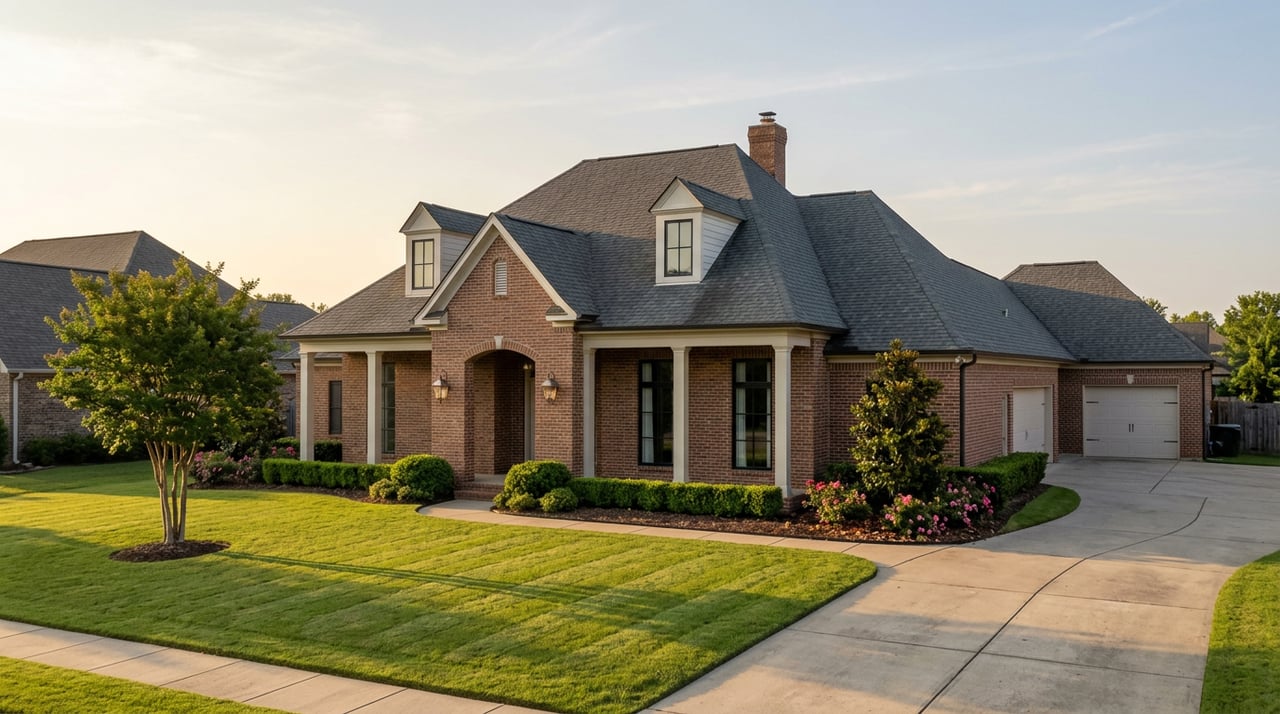
Conway's median home sale price climbed to $280,814 in August 2026, up 8 percent from a year earlier. That's the kind of number that usually means houses are moving fast, multiple offers, buyers competing for scraps. But a separate March 2026 snapshot showed the average Conway listing taking longer to sell: 58 days, compared with 47 days over the same stretch in 2025. The city also closed fewer transactions that month than it did the year before.
Rising prices and a slowing sales pace can appear together in market data, but these figures are from different months. One can signal a market tightening in the seller's favor; the other can signal buyers pulling back or taking their time. Taken together, the August price increase and March slowdown suggest a possible difference between market segments, though they do not show that both patterns occurred at once.
Reading Two Different Market Snapshots
Think about what drives each number separately. Prices rise when demand outpaces supply for the homes actually selling. Days on market falls when buyers are moving fast because they're worried about losing the house. If Conway were simply a hot market throughout these periods, we might expect prices to be up and time on market to be down.
Across these snapshots, the price is up while the sales pace was slower in March. One possible explanation, if the segments are behaving differently, is a shift in the mix of what's selling. New construction closing quickly at higher price points while resale listings sit longer could produce a similar pattern in blended data: the median could climb as more higher-priced homes sell, while the average time on market could rise if more resale inventory takes longer to sell.
That possibility matters because aggregate numbers can hide differences between two segments of the same city.
How Builder Incentives Work
Builder incentives are another part of the picture. Builders in Conway are offering financing incentives rather than cutting list prices. A price cut in a subdivision like Lands End or Chapel Creek can affect comparable values for other lots in the same community. Incentives can include a rate buydown or a closing cost credit.
That's not a Conway quirk. Nationally, the price gap between new and resale homes has fallen to a record low as builders lean on financing incentives instead of markdowns, according to a realtor.com analysis covered by the National Association of Realtors. The National Association of Home Builders has tracked at least 60 percent of builders offering some form of incentive for more than a year running, a figure detailed in a Movement Mortgage breakdown of how builder buydowns work. Locally, that same pattern shows up in current listing language around west Conway new construction, where a few thousand dollars toward closing costs or a permanent rate buydown has become a standard line in the remarks, not a special promotion.
The mechanics matter here. A temporary 2-1 buydown drops your rate by two points in year one and one point in year two before it returns to the note rate. A permanent buydown lowers the rate for the life of the loan, funded by the builder paying discount points at closing. Either way, the buyer's advertised monthly payment looks better without the base price ever moving. A resale seller down the street, competing on price alone because they have no financing lever to pull, is left waiting longer for a buyer who isn't factoring in the same math.
Comparing Builder Incentives and Lot Size
Lot size is another factor buyers can compare alongside a builder incentive.
City planning filings for Lands End Subdivision's second phase put the new lots at 0.32 to 0.43 acre, consistent with the minimum lot size allowed under the property's R-1 zoning designation, according to the Conway Planning Commission's report on the subdivision. That's a fraction of what buyers often find on older, established lots elsewhere in west and southwest Conway, where subdivisions were platted before density requirements tightened and yards tend to run larger and more irregular.
So the comparison a lot of buyers are running in their head, new construction versus resale, priced apples to apples, is missing a variable. The new build with the builder-funded rate might carry a lower monthly payment than the older resale home financed at market rate. But the resale home might sit on a lot nearly double the size. Neither option is the better deal in the abstract. They're different trades, and the incentive structure is what makes one of those trades easy to miss if you're only comparing sticker prices side by side.
The Questions Worth Asking Before You Compare Numbers
If you're weighing a new build in a community like The Reserve at Centennial or Chapel Creek against an existing home in an older Conway neighborhood, the sticker price is the least useful number on the page. A few things worth running down instead:
- Ask whether the incentive is a temporary buydown or a permanent one, and get the full note rate in writing, not just the promotional rate for year one.
- If it's a preferred-lender program, get an outside quote too. Builder-affiliated lenders sometimes price their base rate 0.25 to 0.5 percentage points above what you'd find shopping independently, which can eat into the advertised savings.
- Check the actual lot size and setback, not just the square footage of the house. A smaller lot with a bigger incentive is still a smaller lot.
- If you're the one selling a resale home into this market, know that you're not competing on condition or staging alone. You're competing against a financing tool you don't have access to, which means pricing realistically from day one matters more than it did a year ago.
None of this means new construction is the wrong move, or that resale is overpriced. It means the two paths are solving different problems for different buyers, and because these figures come from different months, separating market segments may add context—but the August median and March average days-on-market figure don't by themselves establish a contradiction.
A Few Common Questions
Does a rate buydown change what the home appraises for? No. The buydown is a financing arrangement between the builder and the lender, funded through an escrow account that subsidizes your interest payments. It doesn't get added to the home's contract price or reflected in the appraisal.
What happens to a temporary buydown if I sell or refinance early? That depends on the specific program, and it's worth confirming in writing before you sign. Some builders' escrow arrangements apply unused funds to your principal if you refinance early. Others don't. Ask the question directly rather than assuming.
Is this incentive pattern limited to big national builders? No. The pattern shows up across builder sizes in Conway right now, from larger production communities to smaller local builders like Sage & Stone Homes.
If you're trying to figure out what a specific new construction incentive is actually worth against a resale option you're considering, or you're pricing a resale listing into a market where builders are the ones setting the financing terms, that's exactly the kind of comparison Richard Henley walks Conway buyers and sellers through every week. Reach out for a free home valuation and a straight answer on what your numbers actually mean before you make the call.
This article is general information, not legal, tax or financial advice. Consult a qualified professional about your situation.