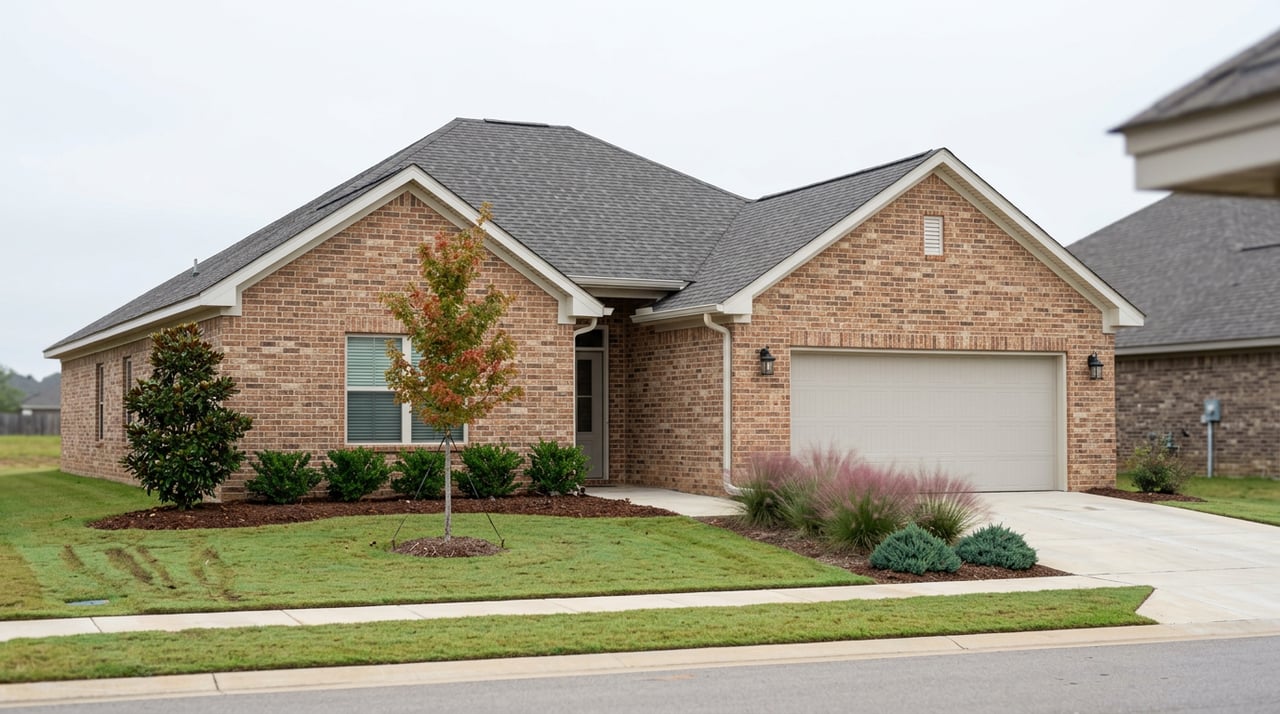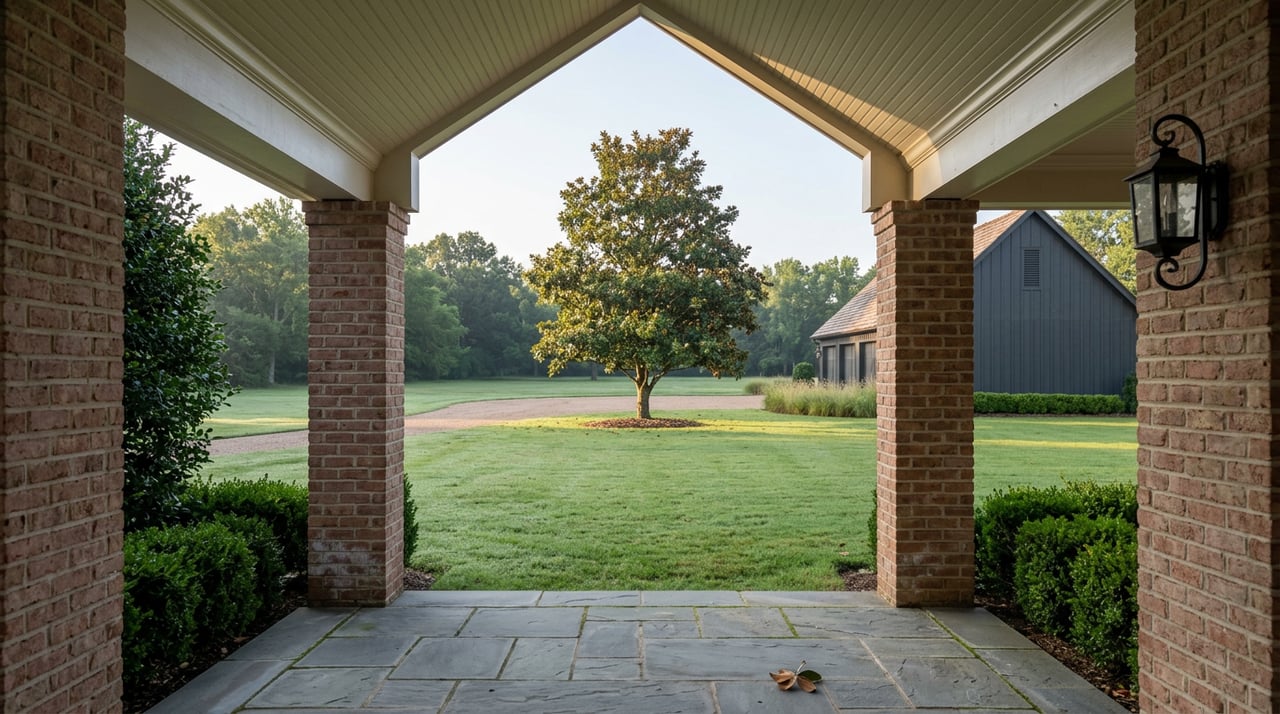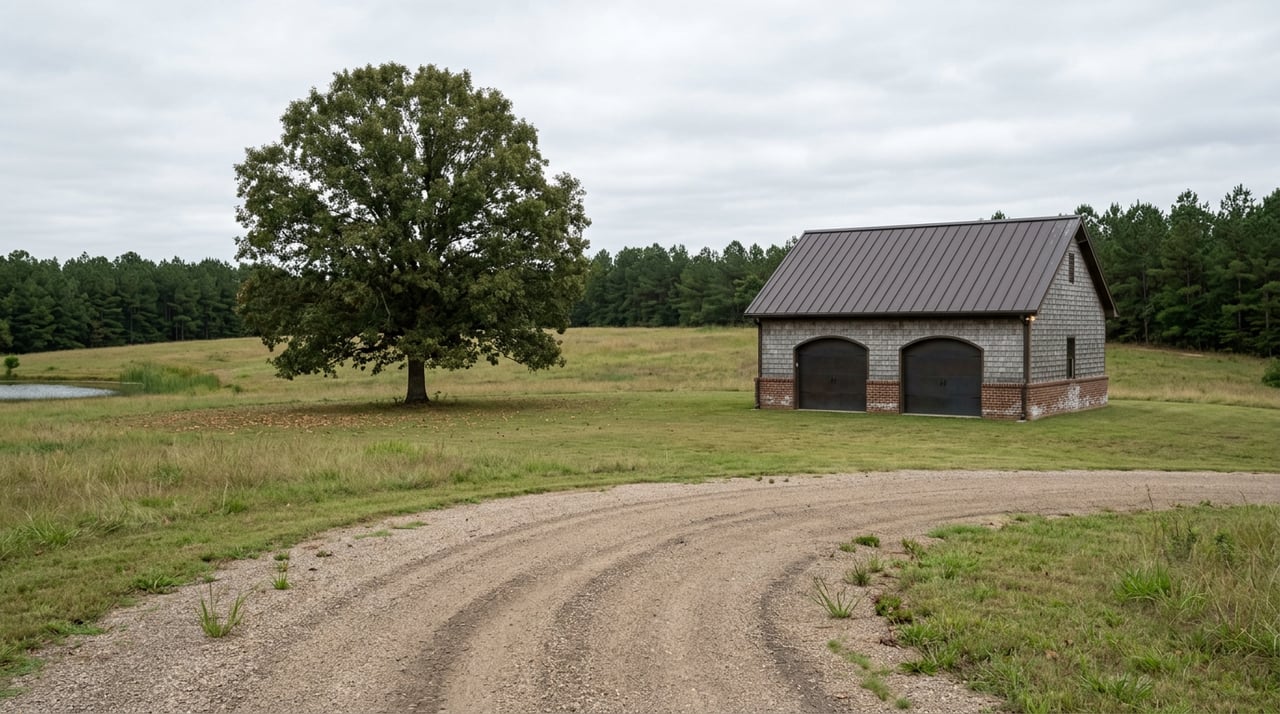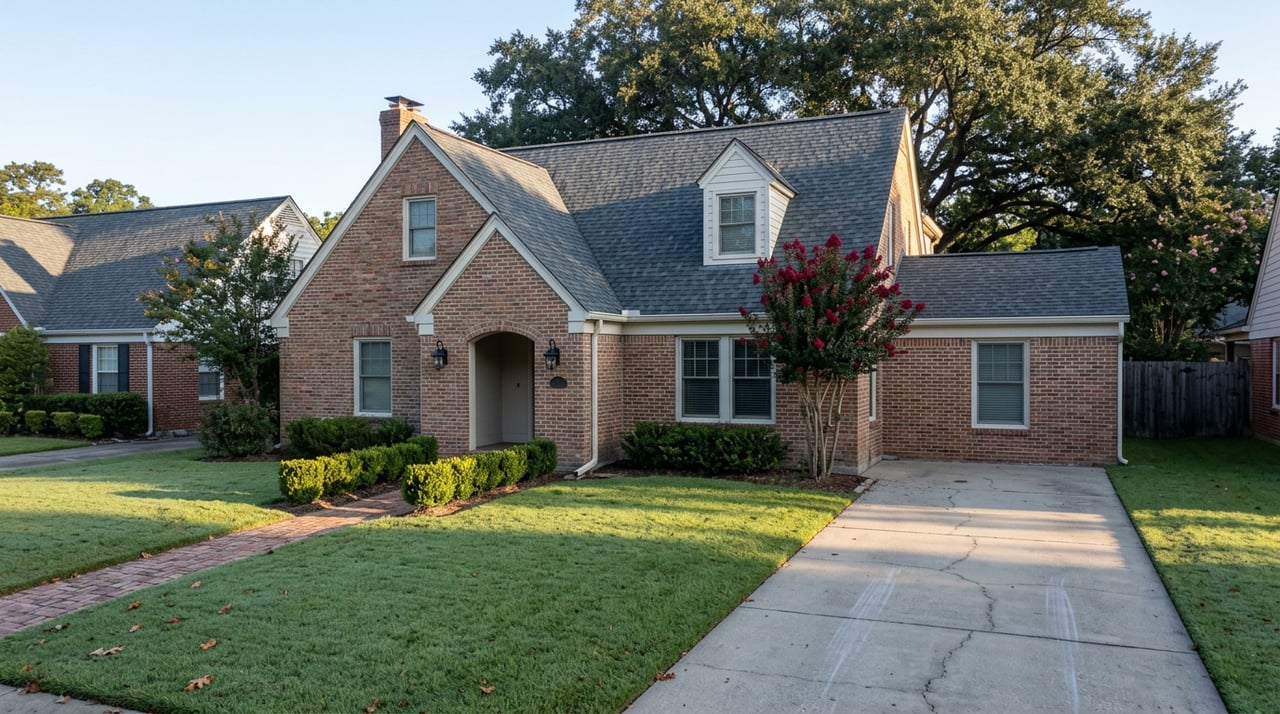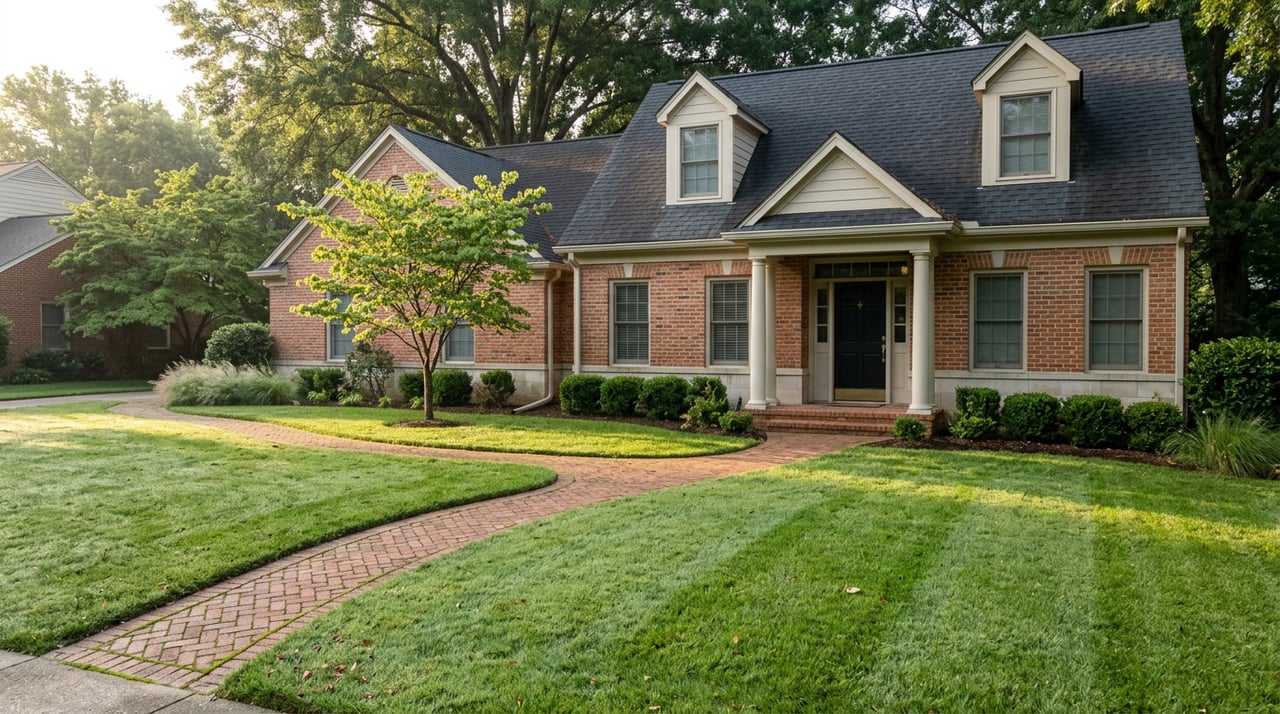
If every house on a street can only run its sprinkler one day a week, whose lawn actually looks worse when a buyer pulls into the driveway?
That is the question worth asking before you panic about the state of your yard. On August 19, 2026, Conway Corp moved the city into Phase 3 of its Emergency Water Curtailment Plan. It's a tightening of the mandatory restriction the utility first imposed on June 1, 2026, its first mandatory water curtailment in roughly 14 years. Brewer Lake, the reservoir that supplies most of Conway's drinking water, sits more than 11 feet below its normal level after a historic drought that started in the fall of 2025. The lake would need somewhere around 27 inches of rain to fully recover. Short term, it needs 5 to 6 inches just to start climbing back toward normal.
For a homeowner trying to sell this fall, the instinct is to treat a browning lawn as a liability. It isn't, at least not in the way most sellers assume. Every property in Conway is operating under the identical restriction at the identical moment. The competitive advantage that used to separate a well-kept yard from a neglected one has been flattened by an ordinance that applies to every listing on the market. What hasn't been flattened is timing, and timing is where sellers either get this right or get caught looking careless in front of a buyer who already knows better.
What Phase 3 Actually Requires
The rule itself is simple, even if the reasoning behind it took months to build. Under Phase 3, homes with even-numbered addresses can water outdoor areas on Saturdays only. Odd-numbered addresses get Sundays. That's it. One day, one window, citywide.
A few other specifics matter if you're prepping a home to show:
- Filling an empty swimming pool with Conway Corp water is prohibited, though topping off an existing pool to maintain its current level is still allowed.
- Vehicles can only be washed with a pressure washer, a garden hose fitted with a shut-off nozzle, or at a high-pressure, low-water-usage car wash.
- Fire hydrants can only be used for firefighting or with Conway Corp's direct approval.
- Splash pads that don't recycle or treat their water have to shut down. Conway's own city splash pads, including the one at Laurel Park, sat idle through much of the spring for exactly this reason.
The rules are enforceable under City of Conway Ordinance 0-99-74, which makes a violation a misdemeanor punishable by fines or a shutoff of water service. Conway Corp has said its near-term focus is on warnings and direct outreach rather than immediate penalties, but the ordinance gives the utility real teeth if compliance slips.
Why This Doesn't Actually Disadvantage You
Here's the part that changes how you should think about the whole situation. In a normal market, a patchy lawn signals something about the seller: maybe they stopped caring, maybe they're behind on maintenance, maybe the home has other neglected corners a buyer should worry about. That read only works when the lawn next door looks lush by comparison.
Right now, that comparison doesn't exist. This has been front-page local news since April, when Conway Corp first asked customers to voluntarily cut back. It escalated to mandatory restrictions on June 1, then tightened again in August. A buyer touring three or four Conway listings this fall is going to see the same stressed grass, the same once-a-week watering pattern, and the same drought story at every stop. A sophisticated buyer, or an agent representing one, isn't going to read a tired lawn as a red flag about the house. They're going to read it as August in Conway.
Conway Corp's CEO, Bret Carroll, put the stakes plainly when the city moved to Phase 3, saying the utility needed the community to reduce water use even further because every gallon saved helps protect the supply. That's a citywide framing, not a house-by-house one, and it's worth repeating to a buyer if the topic comes up during a showing.
What Actually Separates One Listing From Another Right Now
If the lawn itself isn't the differentiator, what is? Three things, and all three are about timing rather than water volume.
Photography day matters more than usual. Grass looks its best in the 24 to 48 hours after its designated watering day. If your address is even-numbered, that means Sunday or Monday morning is your best window for listing photos, not Thursday or Friday when the yard has gone five or six days without a drop. Coordinate with your agent and photographer around your specific watering day rather than whatever slot happens to be open on the calendar.
Showings should lean on the same logic. An open house scheduled for the day before your watering window is going to show a thirstier yard than one scheduled the day after. If you have flexibility on when to hold showings, use it.
Hardscaping and containers do more work than they used to. Fresh mulch, clean edging along walkways, and a few container plants near the entry can carry curb appeal without violating the watering schedule, since they need far less water than a full lawn treatment. This is a low-cost way to keep a listing looking cared for between the once-a-week soak.
One thing not to do: don't run a sprinkler on an off day to make a listing look better for a weekend showing. Ordinance 0-99-74 doesn't carve out an exception for real estate photography, and a fine or a service disconnection notice arriving mid-transaction is a far bigger problem than a slightly dry lawn.
This Is Temporary, But Nobody Can Say Exactly How Temporary
Sellers listing now should plan around the restriction lasting through the fall rather than assuming it lifts any minute. Carroll has said Phase 3 could scale back to Phase 2 with just a few inches of rain, and he's called escalation to Phase 4 or 5, the most severe stages that would ban all outdoor water use, unlikely. But Conway Corp has also been clear it can't give an exact timeline, since the whole plan is tied to rainfall nobody can predict.
That uncertainty cuts in a seller's favor more than it might seem. If you're listing in September or October, you should expect the same watering rules to still be in effect, which means the leveling effect described above will still apply to every competing listing. There's no scenario where your home is under Phase 3 while every other Conway listing gets to water freely.
Frequently Asked Questions
How long will Phase 3 last? There's no set end date. Conway Corp is tracking Brewer Lake's level daily and has said the city could step back down to Phase 2 restrictions with a few inches of sustained rain, but a full recovery would take closer to 27 inches over time.
Is this tied to Conway's growth or a new data center project? No. Conway Corp has publicly stated the curtailment is a response to drought conditions and is not connected to any proposed data center or to future residential or commercial growth in the city.
What happens if I water on the wrong day while my home is listed? Violations fall under City of Conway Ordinance 0-99-74, which classifies them as a misdemeanor with possible fines or discontinuation of water service. Conway Corp has said its current approach favors warnings and outreach, but the legal mechanism for penalties is already in place.
Can I fill a pool if I'm selling a home that has one? You can add water to maintain the level of an existing pool. Filling an empty pool from scratch is not allowed under Phase 3.
A drought doesn't change what a home is worth. It changes what a seller needs to manage in the weeks before closing, and managing it well starts with understanding that every buyer walking through Conway right now already knows the rules you're working under. If you're weighing whether now is the right time to list, or you just want a second opinion on how your specific address and watering day should shape your prep timeline, The Henleys know this market inside the current restriction, not around it. Get a free home valuation and a straight answer about what your listing timeline should actually look like this fall.